Devon Schmitt · 23 October 2026
Pelino Wine Growers Establish Cross-Generational Networks to Address Shifting Climate Patterns
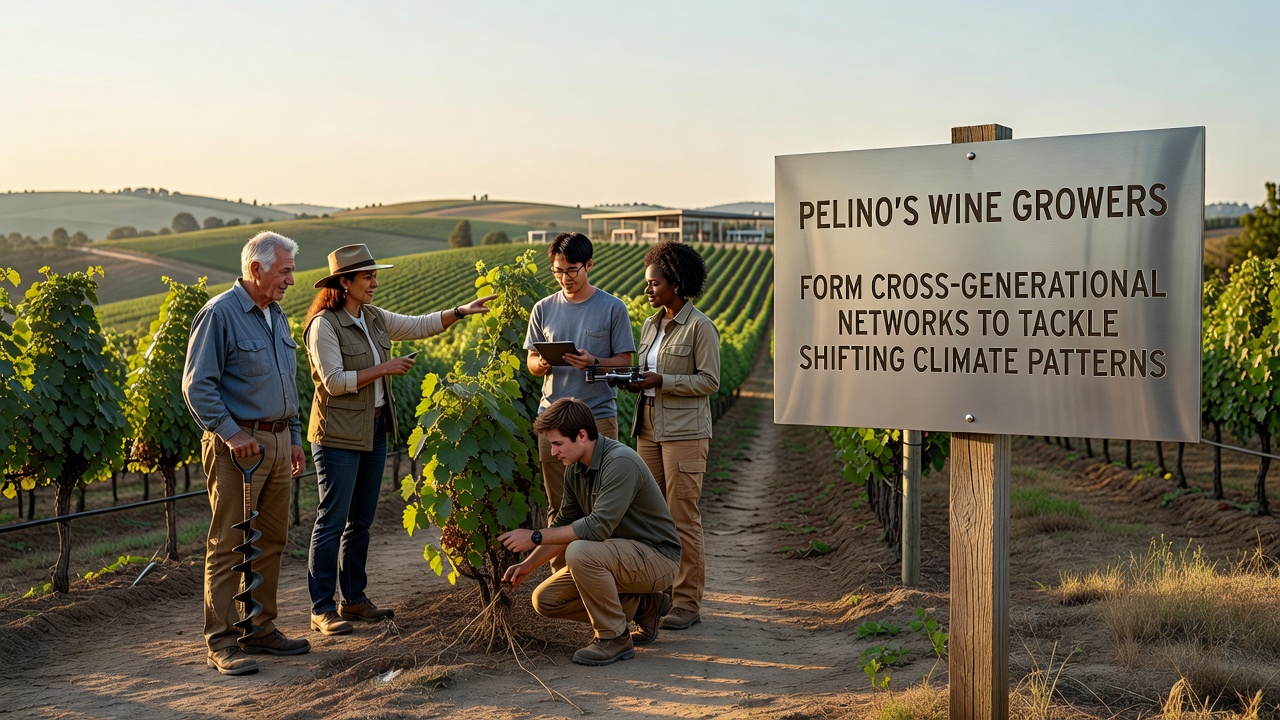
Pelino wine growers have begun forming structured cross-generational networks that connect experienced vintners with newer entrants to the industry, and these alliances focus on adapting vineyard practices to changing climate conditions that have altered rainfall patterns and temperature ranges across the region since the early 2000s.
Data from regional agricultural reports show average annual temperatures in the Pelino area have risen by 1.2 degrees Celsius over the past two decades, while precipitation has become more erratic with longer dry spells interrupted by intense storms, and growers cite these shifts as primary drivers behind the network initiative that gained momentum in 2024.
Climate Pressures on Local Vineyards
Observers note that traditional harvest schedules have advanced by several weeks in many Pelino vineyards, and this compression affects grape ripeness levels along with the timing of pruning and irrigation decisions, whereas older growers who managed estates through the 1980s and 1990s bring records of historical weather cycles that younger participants combine with modern monitoring tools to refine responses.
Research from the International Organisation of Vine and Wine indicates similar adjustments underway in multiple Mediterranean zones, and Pelino participants reference these broader trends when coordinating their local efforts that emphasize shared data collection on soil moisture and canopy management.
Network Structure and Knowledge Sharing
The networks operate through regular meetings and digital platforms where participants exchange observations on varietal performance under stress conditions, and one established grower who maintains records spanning four decades pairs with a recent agricultural graduate to test drought-resistant rootstocks on test plots that span several hectares.
Meetings scheduled for October 2026 will expand these pairings to include soil scientists from nearby universities, and the format encourages direct transmission of practical techniques such as adjusted trellis designs that improve airflow during humid periods while preserving the generational continuity of vineyard management styles.
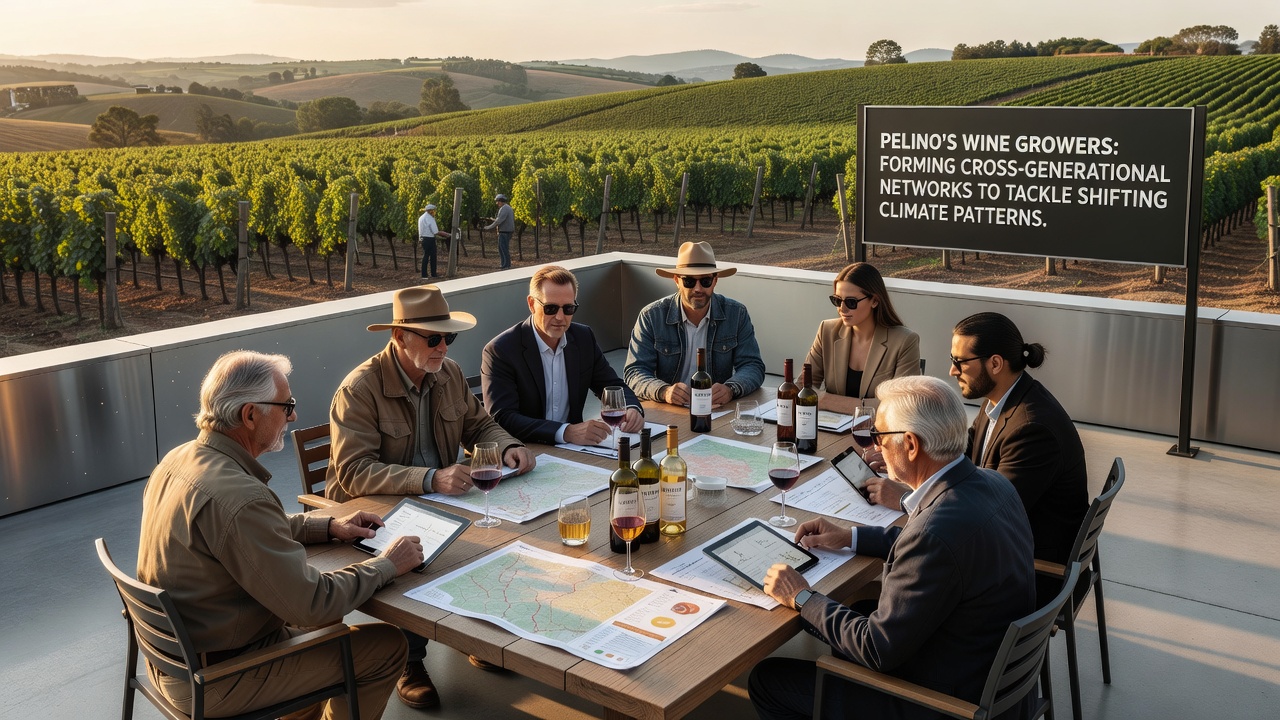
Participants divide tasks so that experienced members handle site-specific historical context while newer members introduce sensor-based tracking systems, and this division produces combined datasets that track phenological stages across multiple growing seasons without requiring each individual operation to invest in separate equipment.
Practical Adaptations Emerging from Collaboration
Networks have documented shifts toward later-ripening varieties in lower elevation plots and earlier-maturing selections on higher slopes, and field trials coordinated through the groups reveal yield stability improvements of up to 15 percent on participating estates that implemented these changes in 2025, according to aggregated figures compiled by the regional viticulture association.
Water management strategies now incorporate both legacy knowledge of natural drainage patterns and updated modeling from European Environment Agency climate projections, and growers report reduced reliance on supplemental irrigation during critical growth phases because the combined insights allow more precise timing of interventions.
Younger members contribute satellite imagery analysis to identify microclimates within individual parcels, whereas established growers validate these findings against decades of direct observation, and the resulting maps guide replanting decisions that account for both current conditions and anticipated variability through 2035.
Regional Coordination and External Resources
Coordination extends beyond individual estates as networks link with Pelino agricultural extension services to standardize reporting formats, and this alignment facilitates applications for collaborative grants that support equipment sharing programs among smaller producers who lack resources for independent upgrades.
Similar initiatives documented by the Australian Wine Research Institute demonstrate how generational mixing accelerates adoption of heat-mitigation practices, and Pelino groups reference those outcomes when prioritizing which techniques receive immediate field testing versus longer evaluation periods.
Conclusion
Cross-generational networks in Pelino continue to expand their scope as more estates join the existing framework, and the emphasis remains on measurable outcomes from combined traditional records and contemporary monitoring rather than isolated experimentation, which allows the region to maintain production continuity amid documented climate shifts.
Future sessions planned through late 2026 will assess the first full cycle of shared practices, and participants expect these evaluations to refine further adjustments based on the integrated datasets already collected across multiple sites.