Jakob Fischer · 20 November 2026
Pelino Region Advances Pollinator Safeguards Through Beekeeper Partnerships
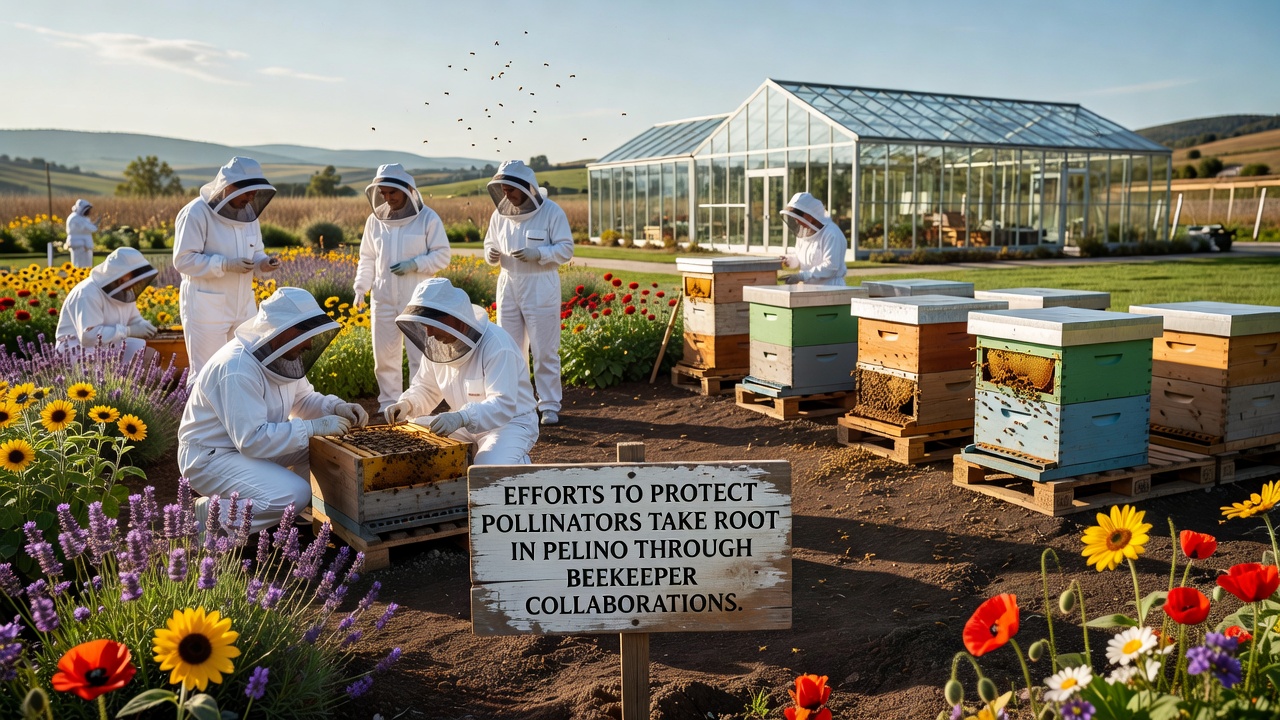
Beekeeper groups across the Pelino region have formed structured partnerships that focus on habitat restoration and pesticide reduction strategies, and these efforts have gained momentum since early planning stages began in 2024. Local agricultural cooperatives coordinate with independent beekeepers to plant native wildflower strips along field edges while monitoring hive health through shared data platforms, and this approach integrates traditional knowledge with modern tracking methods.
Background on Regional Pollinator Challenges
Declines in bee populations have prompted coordinated responses in several European agricultural zones, and Pelino's initiatives align with broader patterns documented by researchers who track species diversity across Mediterranean climates. Studies conducted by the European Environment Agency show that habitat fragmentation and seasonal weather shifts contribute to reduced forage availability, whereas collaborative models in Pelino emphasize buffer zones that support both managed hives and wild pollinators during peak blooming periods from spring through autumn.
Farmers in the area report that joint workshops teach participants how to select seed mixes suited to local soil conditions, and these sessions occur monthly at community centers where data on colony survival rates gets reviewed collectively. Participants exchange records on varroa mite treatments and winter feeding protocols, which helps standardize practices that previously varied widely among smaller operations.
Key Collaborations and Activities
One notable project pairs urban rooftop apiaries in Pelino's historic districts with rural orchards, allowing beekeepers to rotate colonies seasonally while reducing transport stress on the insects. This network expanded in 2025 when regional authorities provided funding for equipment sharing programs, and participants now maintain over 200 hives under unified health guidelines.
Training programs run by agricultural extension services cover integrated pest management techniques that limit chemical applications during flowering windows, and attendees include both veteran keepers and newcomers who learn to identify early signs of colony stress. Data collected from these sites feeds into regional databases that researchers at nearby universities analyze for trends in nectar flow and temperature impacts.
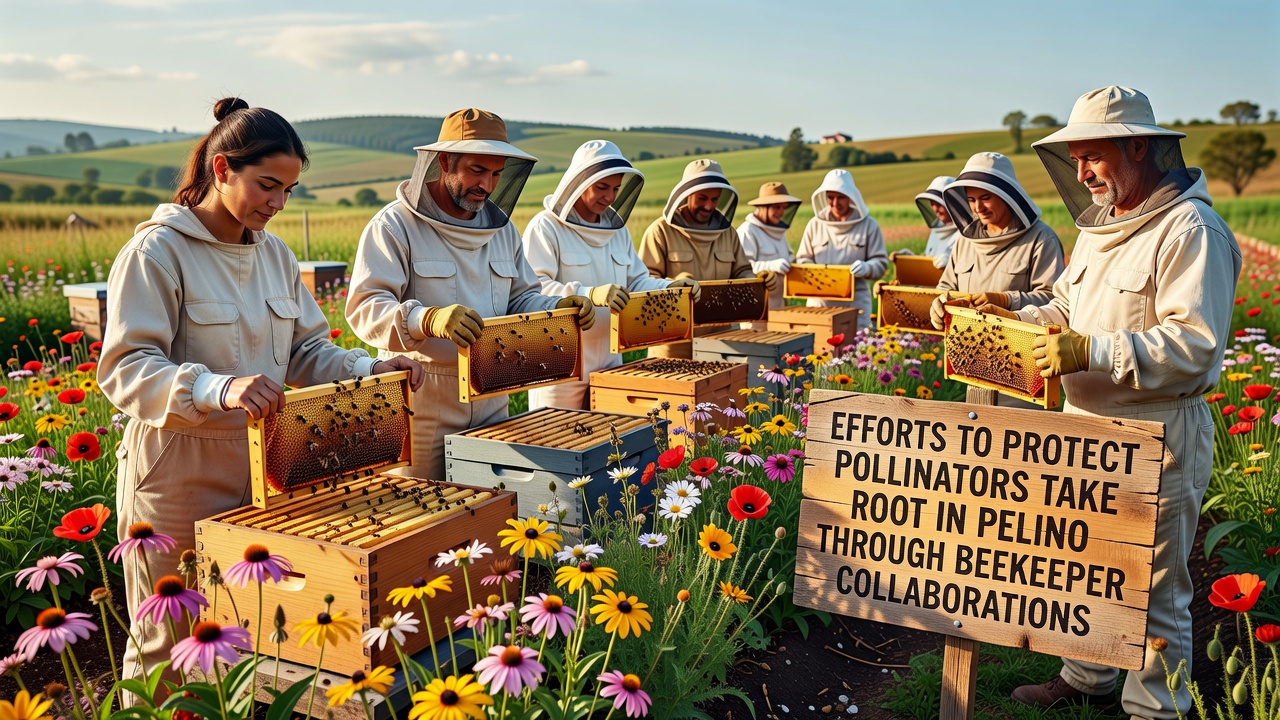
November 2026 marks the scheduled launch of an expanded mapping initiative that will use drone surveys to identify additional sites for wildflower corridors, and organizers expect this phase to connect fragmented habitats across three municipalities. Similar efforts elsewhere, such as those tracked by the Food and Agriculture Organization of the United Nations, demonstrate measurable increases in pollinator visits when such corridors exceed 50 meters in width, and Pelino's version adapts those findings to terraced vineyard landscapes common in the province.
Measured Outcomes and Supporting Data
Early monitoring results indicate higher overwintering success rates among participating hives compared with isolated operations, while crop yield reports from adjacent farms show modest gains in fruit set for almonds and apples. Researchers attribute part of these changes to reduced exposure to certain neonicotinoids after voluntary agreements took effect among growers who belong to the same cooperatives.
Additional programs introduce school groups to observation hives at community gardens, and this educational component aims to build long-term awareness without requiring direct involvement in beekeeping. Figures released by the Australian Department of Agriculture, Fisheries and Forestry on comparable projects highlight the value of public engagement for sustaining funding streams, and Pelino organizers have incorporated similar outreach elements into their calendars.
Challenges remain around scaling these networks to include more part-time keepers who lack access to shared equipment, yet ongoing grant applications target equipment subsidies that could address that gap. Observers note that success depends on continued alignment between beekeeper schedules and agricultural calendars, particularly during harvest periods when field access becomes restricted.
Conclusion
Pelino's beekeeper collaborations continue to evolve through regular data reviews and adaptive planning, and the upcoming November 2026 mapping phase represents one step in a longer sequence of habitat improvements. External support from organizations focused on biodiversity provides benchmarks that local teams use to refine their methods, while internal coordination keeps activities grounded in the practical realities of regional farming. These developments reflect ongoing adjustments based on observed colony metrics and landowner participation rates rather than fixed endpoints.