
Devon Schmitt · 6 November 2026
Pelino Province Connects Younger Generations to Regional Roots via Expanded Digital History Resources
Regional authorities in Pelino Province have rolled out an extensive suite of digital history tools designed to link younger residents with local heritage, and the effort reached a key milestone in November 2026 when several new platforms went live simultaneously. These resources include digitized records, interactive timelines, and virtual exhibits that draw on centuries of documented material from the area, while data from the provincial cultural department shows steady growth in access numbers among users aged 18 to 35.
Background on the Initiative
Local heritage organizations began planning the expansion several years earlier after internal reviews revealed gaps in how younger demographics interacted with traditional archives, and officials responded by partnering with technology firms to convert physical collections into accessible online formats. The project builds on earlier digitization work that started in 2019, yet the November 2026 release added mobile applications, 3D reconstructions of historic sites, and searchable databases that incorporate oral histories collected from long-time residents. Researchers tracking similar programs in other European regions note that comparable efforts often see participation rates climb once content becomes available on personal devices rather than remaining confined to physical locations.
Key Components of the Digital Resources
The core platforms feature layered maps that overlay modern street views with archival photographs and land records, allowing users to trace family migrations or agricultural changes across decades, while integrated audio clips provide narrated accounts from community elders. Additional modules cover industrial development, traditional crafts, and seasonal festivals, each supported by primary documents that were previously available only through in-person requests at provincial offices. Figures released by the Pelino cultural department indicate that more than 45,000 unique accounts were created within the first month after the November 2026 launch, with session lengths averaging 22 minutes per visit.
One section focuses on climate and landscape shifts by combining satellite imagery with handwritten farm ledgers dating back to the 1800s, and another invites users to contribute their own scanned family photos for moderated inclusion in the public archive. Such features create direct pathways for younger people to see their personal stories reflected alongside official records, and similar approaches documented by the European Commission digital heritage reports have produced measurable increases in sustained engagement across multiple member states.
Engagement Among Younger Residents
School districts throughout the province integrated portions of the digital collection into history curricula starting in the 2026 academic year, which has resulted in structured classroom projects that require students to build presentations using primary sources from the platform. Observers at regional education offices report higher completion rates for these assignments compared with earlier textbook-only methods, and preliminary surveys conducted by provincial statisticians show improved retention of local historical facts among participants. Partnerships with community centers have extended access to residents without reliable home internet through dedicated terminals and guided workshops held on weekends.
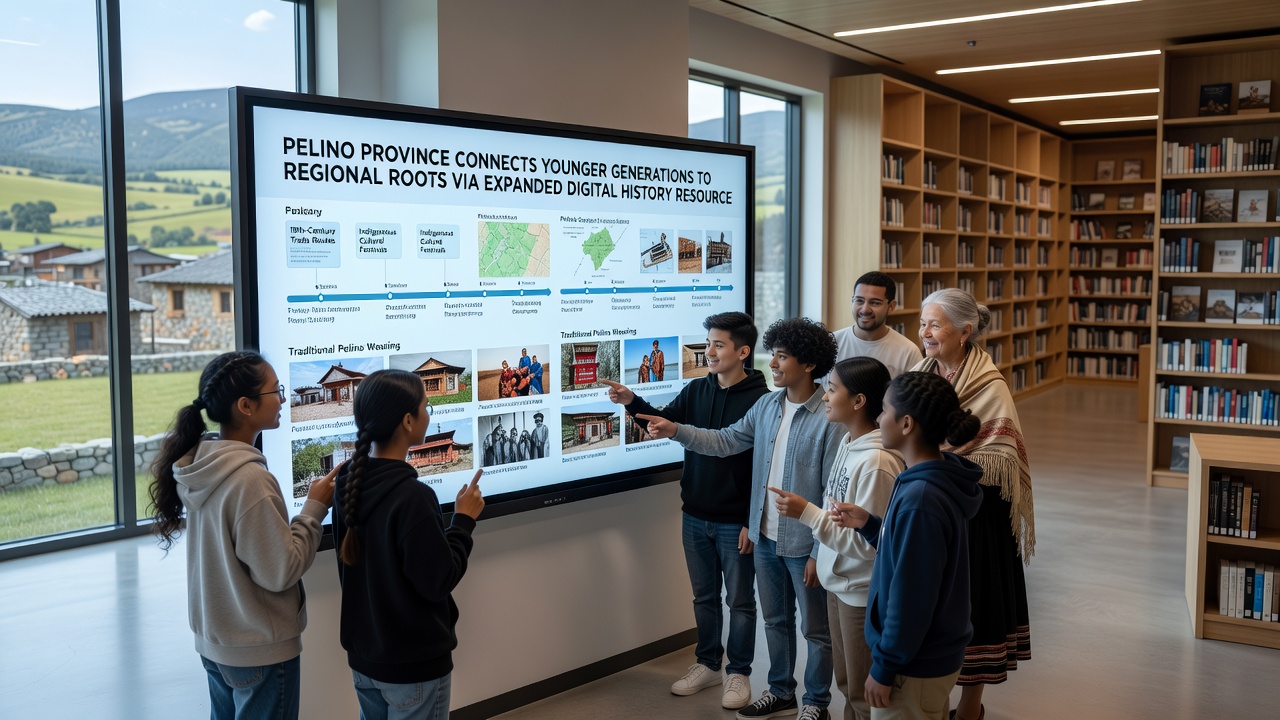
Usage analytics reveal that peak activity occurs during evening hours and on weekends, suggesting that the tools serve both educational and leisure purposes rather than functioning solely as study aids. Those who have examined comparable initiatives at Library and Archives Canada point out that mobile-first design and user-generated content sections tend to drive repeat visits among the target age group, patterns that appear to hold in Pelino as well.
Technical and Partnership Details
Development involved collaboration between the provincial IT department, local universities, and private software developers who handled interface design and data security protocols, and the November 2026 rollout included encryption standards aligned with current EU data protection requirements. Ongoing maintenance draws on a combination of public funding and private sponsorships from regional businesses that benefit from increased cultural visibility. Updates scheduled for 2027 aim to add augmented reality overlays for certain historic districts and expanded multilingual support to accommodate residents with ties to neighboring areas.
Conclusion
The November 2026 expansion of digital history resources in Pelino Province has created new channels for younger generations to explore regional heritage through interactive and accessible formats, with early metrics indicating broad uptake across schools and community settings. Continued monitoring by cultural authorities will track long-term effects on local identity awareness while additional features remain under development to broaden reach even further.