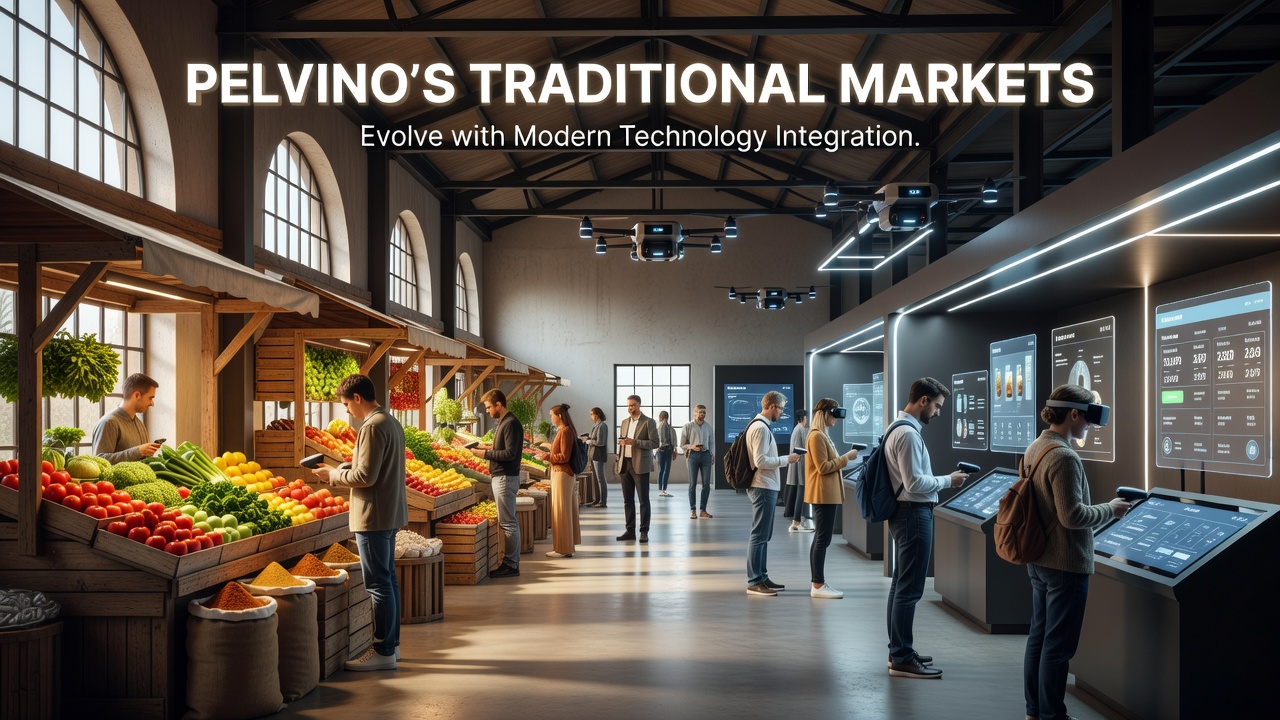
Sofia Schmid · 25 September 2026
Modern Technology Reshapes Pelino's Time-Honored Marketplaces
Traditional markets in Pelino have long served as central hubs for local commerce and community interaction, yet recent years have seen these venues incorporate digital tools that streamline operations while preserving their core character, and this shift aligns with broader trends documented across European retail sectors. Data from the European Commission's digital single market reports shows increased adoption of electronic payment systems and inventory management software among small-scale vendors, which helps reduce wait times and track stock levels in real time.
Merchants at sites such as the historic Piazza del Mercato now integrate mobile applications that connect directly to supplier networks, allowing for automated reordering of perishable goods based on daily sales patterns, and observers note that these systems draw from algorithms refined through university-led studies on supply chain efficiency. One vendor collective implemented cloud-based analytics last year, resulting in a measurable drop in waste according to internal logs shared with regional economic offices.
Key Integrations Driving Change
Payment terminals accepting contactless cards and digital wallets have become standard at many stalls, while QR codes link customers to detailed product origins and nutritional information without altering the tactile experience of browsing fresh produce. Researchers at institutions in Canada have examined similar setups in comparable markets and found that such features boost transaction speeds by up to 40 percent in peak hours, though Pelino operators adapt these findings to fit local regulations on data privacy.
Online reservation platforms for market spaces let artisans book spots weeks ahead, and this scheduling reduces overcrowding during festivals, yet the physical layout remains unchanged to honor longstanding layouts that date back generations. Integration with delivery apps extends reach beyond town limits, enabling rural producers to participate without daily travel, and figures from industry associations in Australia highlight parallel growth in hybrid models that combine in-person sales with remote orders.
Impact on Vendors and Shoppers
Small business owners report smoother cash flow through instant digital records that feed into accounting software, and this efficiency frees time for product curation rather than paperwork, whereas older manual methods often consumed hours each evening. Training programs sponsored by local chambers of commerce teach basic tech skills to long-term stall holders, ensuring broad participation rather than exclusion of those less familiar with devices.
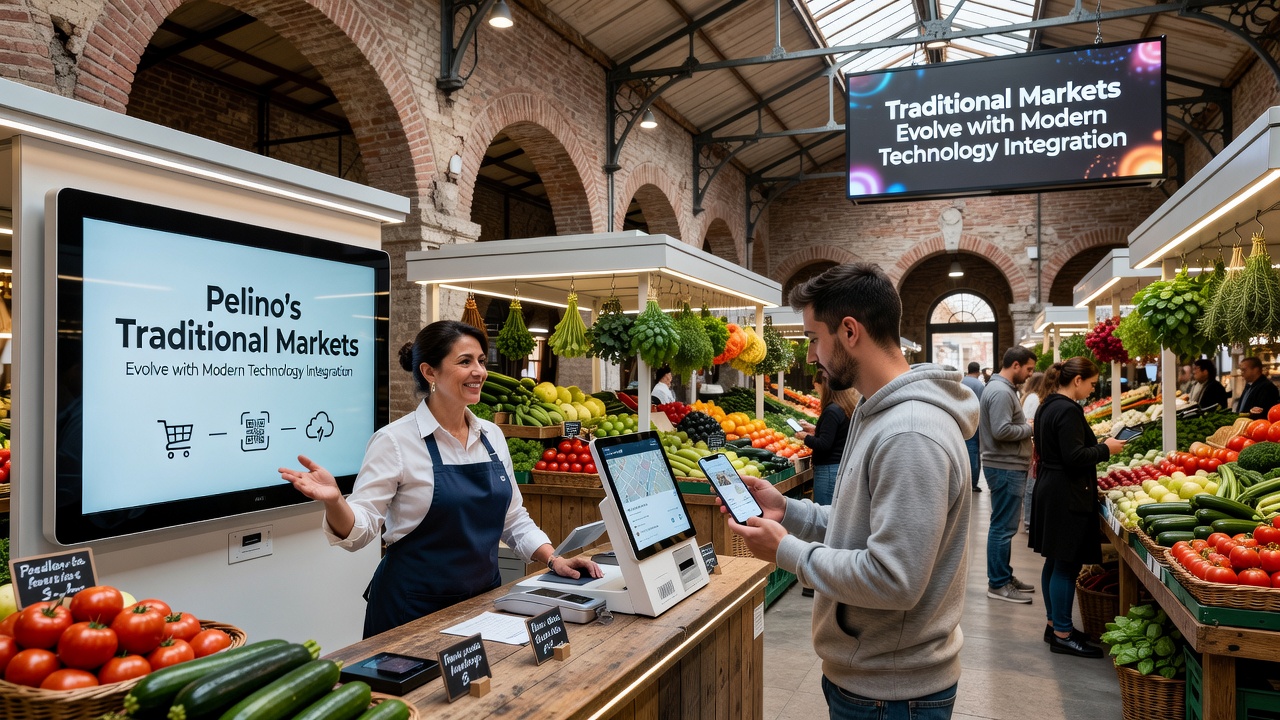
Shoppers benefit from loyalty programs tracked via smartphone apps that offer personalized discounts based on purchase history, while data remains anonymized per EU guidelines to maintain trust. Economic indicators tracked by regional authorities indicate rising foot traffic in tech-equipped sections, particularly among younger demographics who combine visits with social media check-ins that promote the venues organically.
Developments Scheduled for September 2026
Plans call for expanded use of sensor networks that monitor temperature in food stalls and alert managers to fluctuations via automated messages, and these upgrades build on pilot tests conducted earlier this year at select locations. Government funding from national innovation grants supports the rollout, aiming to cover additional markets across the region by the target date, while partnerships with software firms provide ongoing maintenance without shifting costs to individual traders.
Workshops scheduled throughout the summer will demonstrate augmented reality features that let visitors view historical market scenes overlaid on current views through their phones, adding educational layers without physical alterations to the space. Such initiatives draw from research papers published by European universities that analyze cultural preservation alongside digital advancement.
Conclusion
Overall, Pelino's markets continue to serve their foundational role even as technology layers enhance functionality and accessibility, and ongoing monitoring by trade groups will track long-term effects on both traditional practices and new efficiencies. This measured approach keeps the focus on practical benefits that sustain the marketplaces for future generations.