Devon Schmitt · 11 September 2026
Abandoned Railway Stations in Pelino Transform into Thriving Cultural Venues
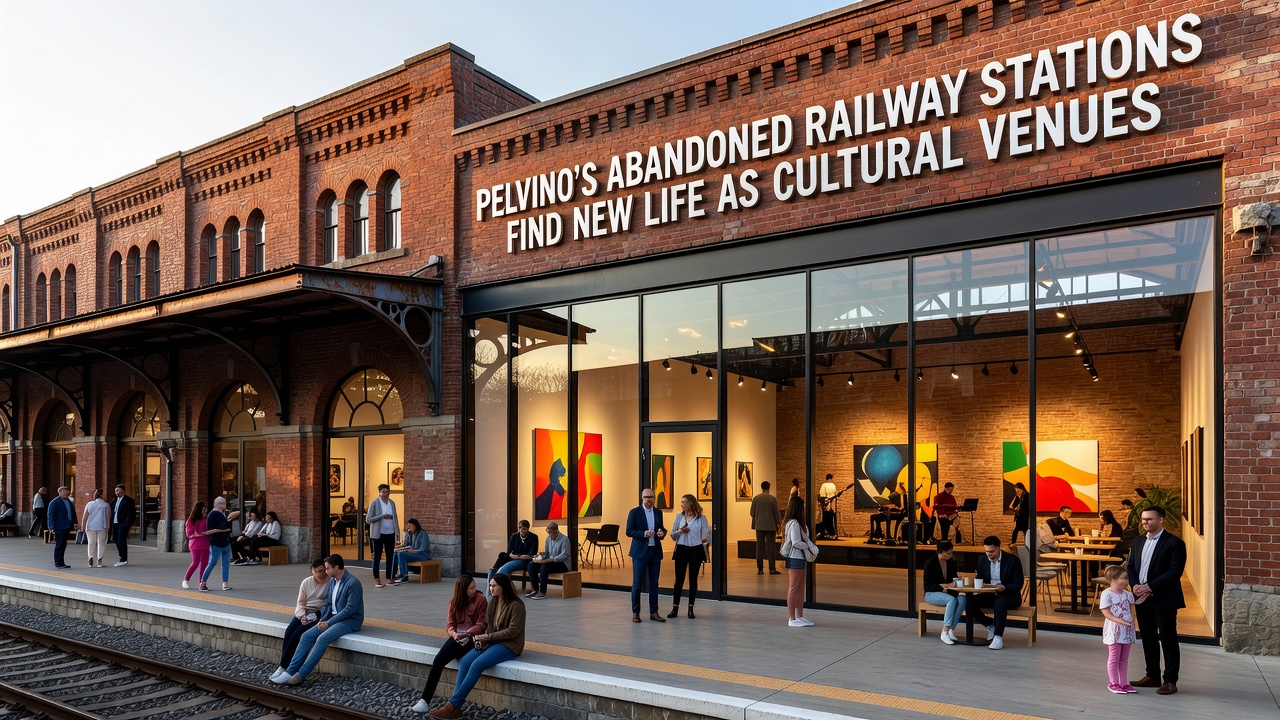
Observers note that several disused railway stations across Pelino have undergone conversions into cultural venues over the past decade, with local authorities and heritage groups leading coordinated restoration projects that preserve original architectural features while adding contemporary exhibition and performance spaces. Data from municipal records shows that five stations closed between 1975 and 1989 after regional line rationalization efforts, and three of those structures now host year-round programming.
Historical Background of the Stations
The stations formed part of the broader rail network that connected Pelino to major Italian cities until service reductions in the late twentieth century left the buildings vacant, and researchers from the University of Bologna documented how original platforms, ticket halls, and signal boxes survived largely intact because of limited subsequent development. Figures from the Italian Ministry of Infrastructure indicate that passenger volumes on the affected routes dropped by sixty-two percent between 1970 and 1985, prompting closures that left the structures empty for decades.
Adaptive Reuse Projects Underway
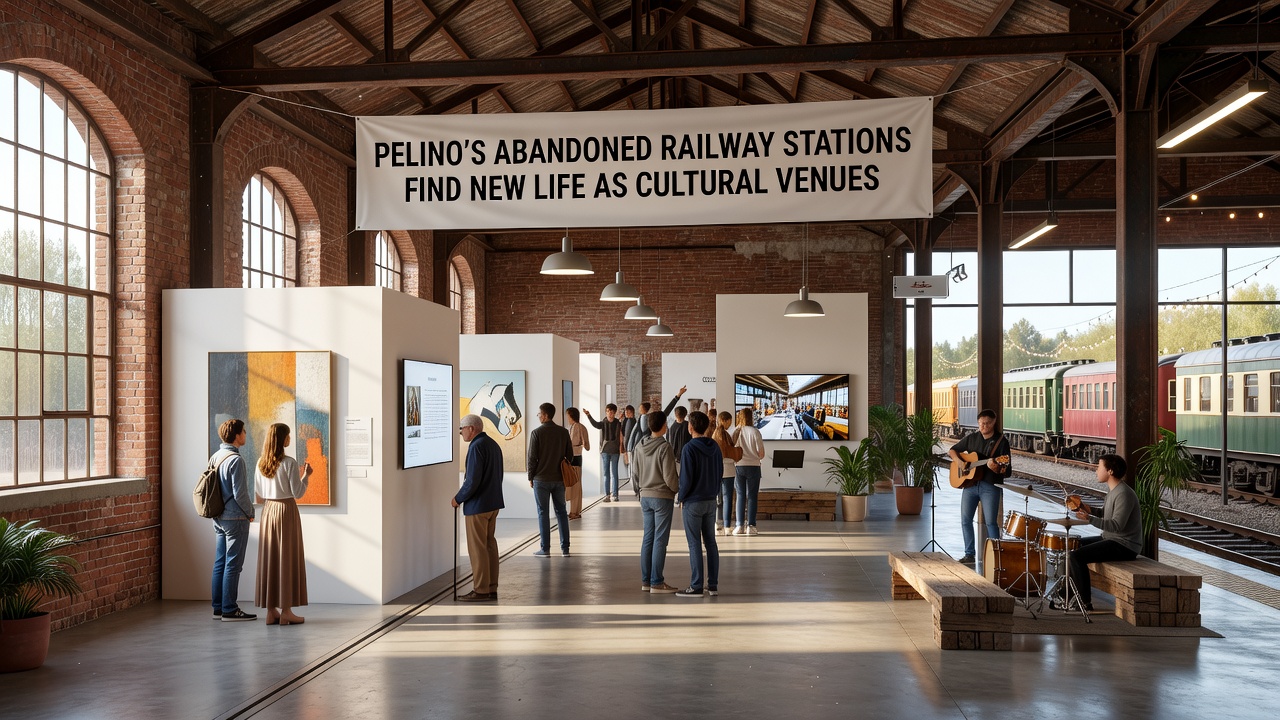
Restoration teams began work in 2018 on the former Pelino Centrale station, converting the main concourse into a multi-purpose gallery while retaining the original ironwork canopies, and similar efforts at two smaller halts followed in 2021 and 2023. Those who've studied adaptive reuse note that funding came from a combination of regional development grants and private donations, with project timelines averaging twenty-eight months from initial survey to public opening. What's interesting is how original trackside elements such as water towers and luggage trolleys have been incorporated into outdoor installations rather than removed.
One study revealed that visitor numbers at the first completed venue reached forty-eight thousand in its inaugural year, according to data compiled by the Pelino Chamber of Commerce. Architects involved in the projects emphasize that seismic upgrades and energy-efficient systems were integrated without altering exterior facades, and this approach aligns with guidelines issued by the Council of Europe on heritage conservation practices.
Programming and Community Use
Venues now schedule rotating exhibitions, live music events, and educational workshops that draw participants from surrounding municipalities, and schedules published by the Pelino Cultural Network list more than one hundred and twenty events planned through the end of 2025. September 2026 will see a dedicated heritage festival across all three sites, featuring archival displays of original timetables and photographs alongside new commissions by regional artists. Observers note that ticket pricing remains modest, with many programs offered at no charge to encourage broad attendance.
Those who've tracked similar conversions elsewhere point to comparable projects in Canada and Australia where former rail infrastructure became anchors for local creative economies, yet Pelino's efforts differ because multiple stations operate under a single coordinated management structure. Research indicates that such clustering reduces operational overhead while allowing shared marketing and transport links between venues.
Economic and Social Effects
Employment data collected by the regional statistical office shows that the three active sites together support thirty-four full-time positions in curation, maintenance, and visitor services, and indirect benefits have appeared in nearby hospitality and retail businesses. A report from the European Commission on cultural heritage reuse highlights how such initiatives can stimulate footfall in previously quiet districts, and Pelino figures align with those broader European patterns. Partnerships with nearby schools have also produced regular field trips that incorporate station history into curriculum modules on industrial heritage.
Future Developments
Planning documents filed with the municipality outline proposals to activate one remaining station by 2028, contingent on securing additional restoration grants, and preliminary surveys indicate that structural integrity remains sufficient for reuse with targeted interventions. Discussions continue regarding integration with cycling and walking trails that follow the old rail alignments, which would extend access for visitors arriving without cars.
Conclusion
The transformation of Pelino's disused railway stations demonstrates how historic infrastructure can support contemporary cultural functions when preservation standards and community programming align. Ongoing monitoring by local authorities will track attendance trends and maintenance costs through 2027, providing data that other regions considering similar adaptive reuse may reference. The September 2026 festival will offer a visible milestone in this process, bringing together restored buildings, new exhibitions, and public participation under one coordinated series of events.